Keep Safe this Vacation

You’ve spent ages researching and planning your special getaway. You’re all packed up and more than ready to leave it all behind for a week or two. Before you walk out that door, make sure that your plans include keeping everything safe while you’re away this vacation.

Take 15 – 20 minutes before you go to safeguard your home:

  • ask a trusted friend or neighbour to check on your home every day, collecting mail and/or papers;
  • use timers to turn lights on and off automatically and make sure no valuables are in clear sight of windows or doors;
  • disconnect electronics like computers, stereos and TV’s that could be affected by unexpected electrical surges;
  • update your home inventory and take photos or video of those items – particularly those great new Christmas gifts;
  • load luggage discretely either in your garage or quickly into a waiting cab;
  • keep travel plans off of social media and out of casual conversations until your return;
  • be cautious not to turn the heat too low in case of a sudden cold snap; and,
  • turn off the main water supply, which will limit damage from unexpected leaks.

Plan to stay safe this vacation – both at home and abroad. Read through our check list if you’re traveling out of country, to make sure you’ve protected your health and financial well being with the right travel insurance. Looking forward to seeing the holiday pictures on your return.

Information courtesy of the Insurance Bureau of Canada
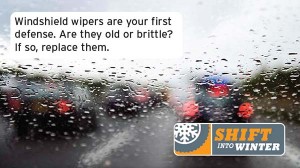
Brrrr! Winter Driving

Does driving in winter weather conditions send a shiver down your spine? You’re not alone. According to a recent survey by ICBC, 40% of respondents felt less confident driving in the winter and 70% felt both less safe and frustrated by the actions of other drivers.

Although Victoria doesn’t tend to have the same severe conditions that the rest of Canada suffers each winter, it is still important to plan for the season.

Here’s some quick tips:

Winter driving safety tips

  • slow down, mother nature has, so should you. Everything takes longer on wet, icy or snowy roads, give yourself more time to make safe decisions;
  • switch to winter tires – all season tires begin to lose elasticity and grip on the road at temperatures below 7°C, according to Transport Canada;
  • ease off the gas and don’t brake if your vehicle starts to hydroplane or you run into black ice. Look and steer smoothly in the direction you’d like to go;
  • to smoothly handle snow-covered corners, begin to brake steadily as you approach the turn. Once in the corner, ease off the brakes and use the car’s remaining traction to steer through the turn;
  • when the road is steep and icy, gently accelerate before you reach the base of the hill let that inertia drive you up, and when heading down ease off the gas – if possible detour to a flatter route;
  • keep the cruise control off so that you’re in control if you hit bad road conditions;
  • reduce your speed and increase your distance from the car in front of you to protect yourself and your passengers from the unexpected; and,
  • most importantly if you still don’t feel safe, choose to stay home or let a professional take the wheel using public transit or taxi.

Click these links for more tips on safe driving in winter from ICBC or to check road conditions at DriveBC.

Scary Can Be Safe this Halloween

Ghosts and goblins beware, this hallowed eve is not free of danger. Tricks, instead of treats, can be limited to harmless pranks this Halloween with a little extra care.

When planning both costumes and routes this year, makes sure you take these things into consideration:
ICBC Halloween Safety

  • a little reflective tape can go a long way towards making sure your vampire sparkles and can be seen at night;
  • don’t make the night a different kind of scary, before covering their sweet little faces with paint or make-up, do a quick test to make sure their skin won’t react;
  • create a wolf pack – gather the ghoulish together for both personal safety and visibility for drivers;
  • costume check for the five senses – can they see through their mask, can they breathe unimpeded, can they touch the ground without tripping over parts of their costume, do they feel warm enough to be outside for an hour or more, can they taste sweet victory as their bag fills with candy;
  • Drivers beware, the scary part is how quickly a child can pop up out of nowhere. Drive slowly and with extra caution in residential areas during prime trick or treat hours;
  • Staying home? Protect your car from those seeking to trick. Statistically vehicle vandalism is only higher on New Year’s Day;
  • Make sure Jack O’Lantern is a modern guy – battery candles or a flashlight make a safe alternative to an open flame.

Avoid being the person screaming the Banshee cry by heeding the advice above. This Halloween may your only true scare be from how much you gain after nibbling the treats and goodies that always seem to linger after the holidays.

Information courtesy of ICBC, IBC and the Government of Canada

Forecast Wet and Windy

The summer was warm, hot and dry but fall on the west coast is anything but. Our wet and windy fall and winter can result in unanticipated damages. Insurance policies aren’t maintenance policies and a little preparation before the storms hit can make all the difference.

  • trim trees on your property and remove dead branches before the wind storms begin – or alert the city to issues if the trees are not on your property
  • clean out gutters and nearby drains
  • winterize irrigation systems and any outside taps that run the risk of having pipes freeze

The right coverage makes a difference, check to make sure your policy covers:

Rain-on-street

  • damage to homes caused by flying debris or falling branches or trees, or damage to your home and its contents from water entering through openings caused by wind.
  • damage to cars from wind, hail or water, typically only covered if you have purchased comprehensive or all perils coverage auto insurance
  • water damage in a basement due to a sewer backup is covered only if you have bought specific sewer backup coverage.
  • in certain circumstances, homeowners unable to return home due to insurable damage are covered for additional living expense
  • be aware – overflowing rivers or lakes and storm surges that result in water entering a home are seldom covered.

With the right preparation, you’ll be able to cozy up with a hot chocolate, warm blanket and good book, secure that everything is looked after. Keep up to date with weather alerts from Environment Canada.

Information courtesy of the Insurance Bureau of Canada

It’s Hammer Time

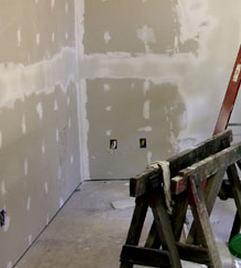
You’ve made your plans, saved your money and you’re ready now to build that deck, add on a new room or simply redo the kitchen or bathroom. You’re about to take a hammer to the family home.

Before the first blow is struck don’t forget to do a couple of important things:

Home-Reno-2015

  • check the references for your contractor, make sure they provide proof of insurance and confirm WCB coverage
  • review municipal regulations and permits that will be needed
  • take before and after pictures of the renovation along with in-progress photos just in case there are issues
  • plan out workarounds and timelines if the area under construction impacts areas you use every day or items you just can’t do without like water and electricity
  • be prepared for the unexpected and budget at least 30% above the original estimate, oftentimes one small project cascades into more, as problems or opportunities are discovered.
  • look for innovative changes that are high impact but low cost like paint, lighting, accessories and even hardware for doors

Home renovations can be a source of savings too. Check with BC Hydro for energy-saving programs that help you replace older appliances with more energy-efficient options.

Before you buckle your tool belt, make sure that you talk with your insurance agent both before and after your renovations. A new alarm system or updated roof might result in lower premiums. Conversely a new pool, an addition to accommodate a home-based business or granite countertops replacing the kitchen laminate will require updates to your policy to make sure that’s covered. And last of all don’t worry, all of the tears and frustration of the reno will soon be over leaving you with a home with just a little more to love.


Road Trip Summer Holiday Style

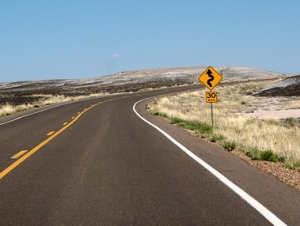
Wind in your hair, sunglasses at a rakish angle, the perfect road trip mix playing and,… screaming kids in the backseat. End the cycle. This summer before you hit the road make a complete plan for a safe and happy summer holiday road trip.

Summer Road TripBefore the first tire backs off your driveway, make sure that you’re covered:

  • dig up your “old-school” paper maps if the areas you’re driving through are remote
  • pre-plan interesting stops every 3 – 4 hours to stretch your legs and your mind
  • if possible trade driving duties regularly to stay alert and avoid “highway hypnosis”
  • keep the family hydrated with access to lots of water
  • pack nutritious snacks to help cut costs and hopefully keep everyone on an even keel
  • for the non-drivers, pack activities that can be done as a family and individually – remember to bring enough for there and back

Remember to breathe deeply and smile, it’s only two weeks and they’ll never be that young again. And before you leave home, whether you’re renting a car at the start – or after “the family beast” has gasped through her last mile – don’t forget to check you car insurance policy to confirm it covers the mandatory insurance for your rental vehicle.

Spring Checklist Home Style

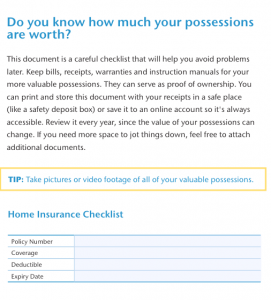
How do you prepare for the unexpected? Part of good planning is good list making and that is no exception when it comes to insurance planning.Home_checklist-2015

While you’re tidying up and tucking away during this year’s spring cleaning, make a list of what makes up your home. What’s new, what can’t you live without or would need to be urgently replaced if your home is damaged or destroyed and most importantly how much are each of those items worth.

Take pictures or videos, keep bills, receipts, warranties and instruction manuals for your more valuable possessions. They can serve as proof of ownership. Make sure you print and store your list with your receipts in a safe place (like a safety deposit box) or save it to an online account so it’s always accessible.

And while list making is good, don’t forget to make sure your insurance agent knows about those new items or renos. They’ll know best how to make sure you’re covered.

Not sure where to start creating your own home insurance checklist? Here’s a simple form that you can fill out on your tablet or print out. Click here for the Wawanesa Personal Property Inventory Checklist.

For more information on home insurance checklists go to the Insurance Bureau of Canada

Be Fraud Aware

Have I got a deal for you. March is Fraud Awareness Month in Canada and with a little extra effort you could help save BC motorists nearly half a billion dollars a year just be being a little more fraud aware.

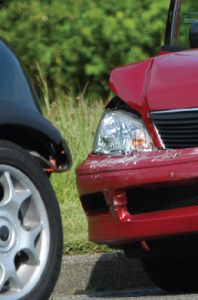
Surprised to find yourself in the midst of an accident? Here are some red flags that could suggest a staged collision:
fender-bender-prevent-fraudThe impact occurs at low speed with little damage to the vehicles involved and several passengers claim to have soft-tissue injuries.
• There are conflicting descriptions by those at the scene about how the accident occurred.
• A tow truck arrives almost immediately at the scene.
• Someone is at the scene ready to suggest a repair facility, clinic or other service provider.

If you suspect that you were a victim of a staged collision, call the police from the accident scene, document all that you can, carefully review anything that you are asked to sign, contact your insurance representative right away and use ICBC’s tip line if you suspect a scam: 1-800-661-6844.

The best advice is avoidance, steer clear of these fraudster’s favourite weapons by avoiding tailgating and by looking well beyond the front of your car while driving.

For more tips from the Insurance Bureau of Canada on avoiding auto insurance fraud click here.

Stand up for Yourself

Every January plans are made for a better, brighter new year. Part and parcel of these new year resolutions includes new health and fitness goals. For an easy first step, make sure you are sitting less and standing and/or walking more.

Studies in the last few years have shown that excessive sitting is literally killing us. Calorie-burning goes from 3 calories a minute when up and about to 1 calorie per minute while seated. Gaining weight is the tip of the iceberg in terms of health concerns. Dr. James Levine from the Mayo Clinic, considers sitting to be a lethal activity when done in excess of 6 hours straight. And it is not an equal opportunity killer – the death rate for men is 20% higher and 40% higher for women sitting consistently in excess of six hours a day.

[youtube=http://youtu.be/uiKg6JfS658]

Easy low impact solutions, can make a difference.

  • Set up a reminder to get up and stretch and move around at least every few hours
  • Take the stairs
  • Walk to see a colleague instead of calling or instant messaging
  • Plan your schedule to intersperse physical activity after sedentary stretches

While your office might not be ready to install treadmill desks, you can plan for a long and happy life by getting yourself moving.

For more information on this study, click here.

Hearth and Home for the Holidays

Keeping your family and home safe over the holidays is the most important holiday tradition. To keep any and all Christmas fires confined to the fireplace – or for the more modern, the digital burning log – follow these Christmas Safety Tips:

Screen Shot 2014-12-13 at 8.36.21 AMFireplaces & Candles:

  • Have the chimney cleaned and inspected at least once a year.
  • Burn hardwood, which leaves less creosote (a flammable dark residue) in the chimney.
  • Make sure the fire is out before going to bed or leaving the room. Always use a secure and suitable screen in front of your fireplace, see the manufacturer’s recommendation.
  • Keep children and pets away from gas fireplaces and open flames.
  • Never leave burning candles unattended or positioned too closely to tree decorations or wrapping paper.
  • Cut candle wicks short to prevent high flames.
  • If candles are used in a centerpiece, make sure they are in a sturdy holder and don’t burn low enough to ignite the decorations or table.

Trees and lights:

  • When buying a real tree, make sure it’s fresh (you can tell if the needles are hard to pull off). Store it in a cool, sheltered area until you bring it indoors for decorating.
  • Place in a well-secured stand. Water real trees daily to prevent dryness – an increased fire risk.
  • Place the tree away from heating vents, radiators, stoves, fireplaces and burning candles.
  • Keep metal tree ornaments and decorations – which may contain lead – away from young children and pets.
  • Remove the tree right after the holidays or as soon as the needles start to fall to avoid a potential fire hazard.
  • Be sure to use indoor lights inside your home and outdoor lights outside. Only use lights that have been certified by a recognized organization such as CSA, LUC or C-UL
  • Check the light strings and extension cords you use, discarding any that are frayed or have exposed wires, loose connections or broken light sockets. Never run electrical cords through doorways or under carpets.
  • Don’t overload electrical outlets. Use more than one outlet if the wattage of your lights is more than the outlet can handle.

Courtesy of the Insurance Bureau of Canada and Health Canada

Honoured to work & play on the Coast Salish Territory of the Lekwungen and W̱SÁNEĆ First Nations